
.svg)
.svg)
.svg)


Modernizing postal drop-off without breaking familiar customer behavior
Innovation sticks where it does not break the habit — so the machine was built to read the form people already fill in by hand
User-tested
Form scanning
Habit-first
.jpg)
Modernizing without breaking customer habits
Mature postal markets are harder to modernize than emerging ones. The reason isn't technology — it's behavior. Customers have decades of habits. Hand-filled forms. Counter conversations. Trust built on familiarity. Throwing that out and replacing it with a touchscreen is not modernization; it's friction.
The interesting question is whether self-service can be designed to fit existing habits rather than ask people to abandon them.
The challenge
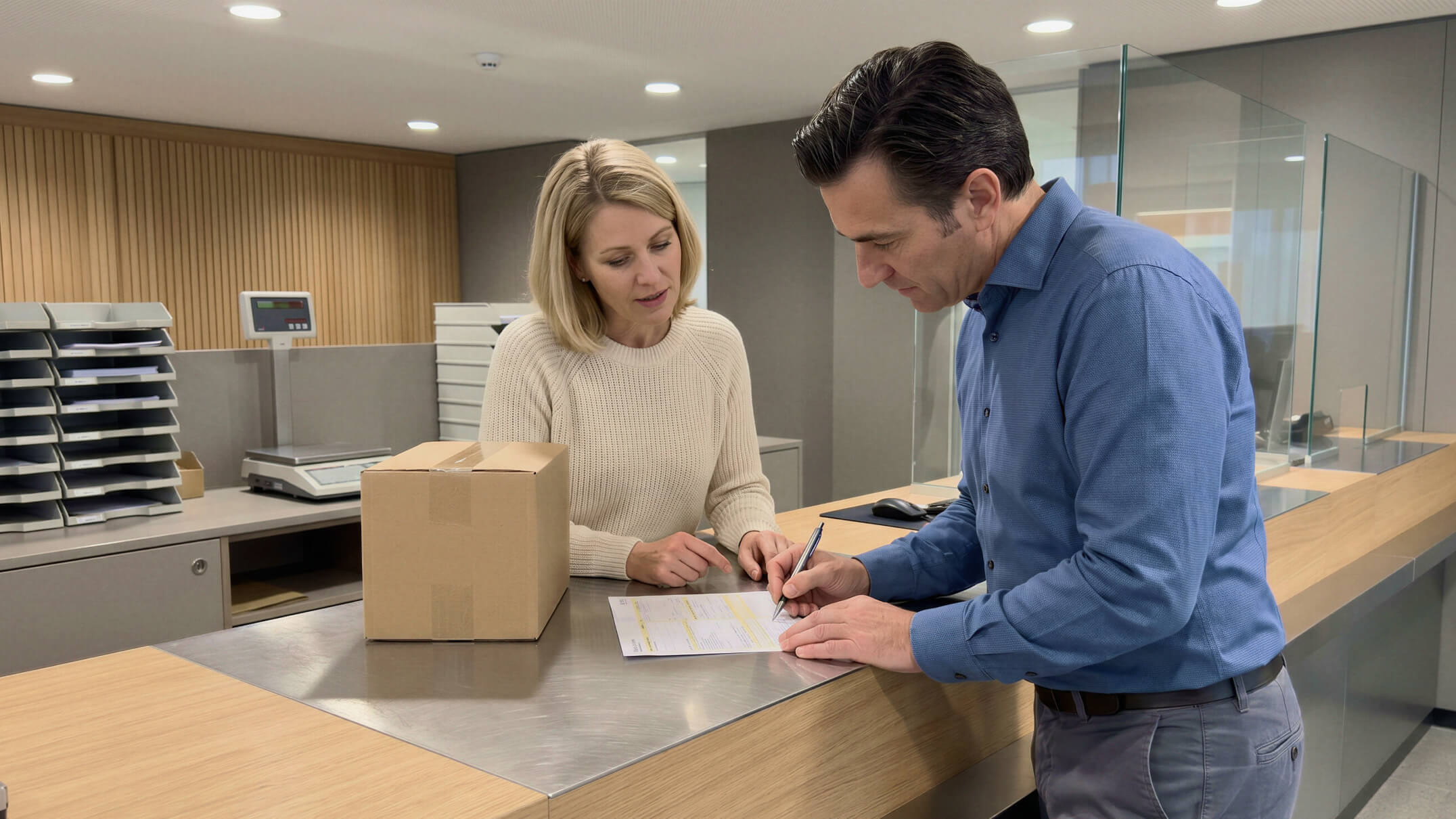
A national postal operator in a mature European market needed to modernize parcel drop-off across its network — a market where customers were simultaneously digitally savvy and traditionally minded. Many still filled out parcel forms by hand at the counter. Some preferred it. Others preferred self-service but only if it didn't feel like starting from scratch.
Building a self-service drop-off that simply ignored the hand-written form ritual would lose half the customer base on day one. Building one that incorporated the existing behavior had a chance of being adopted.
How we approached it
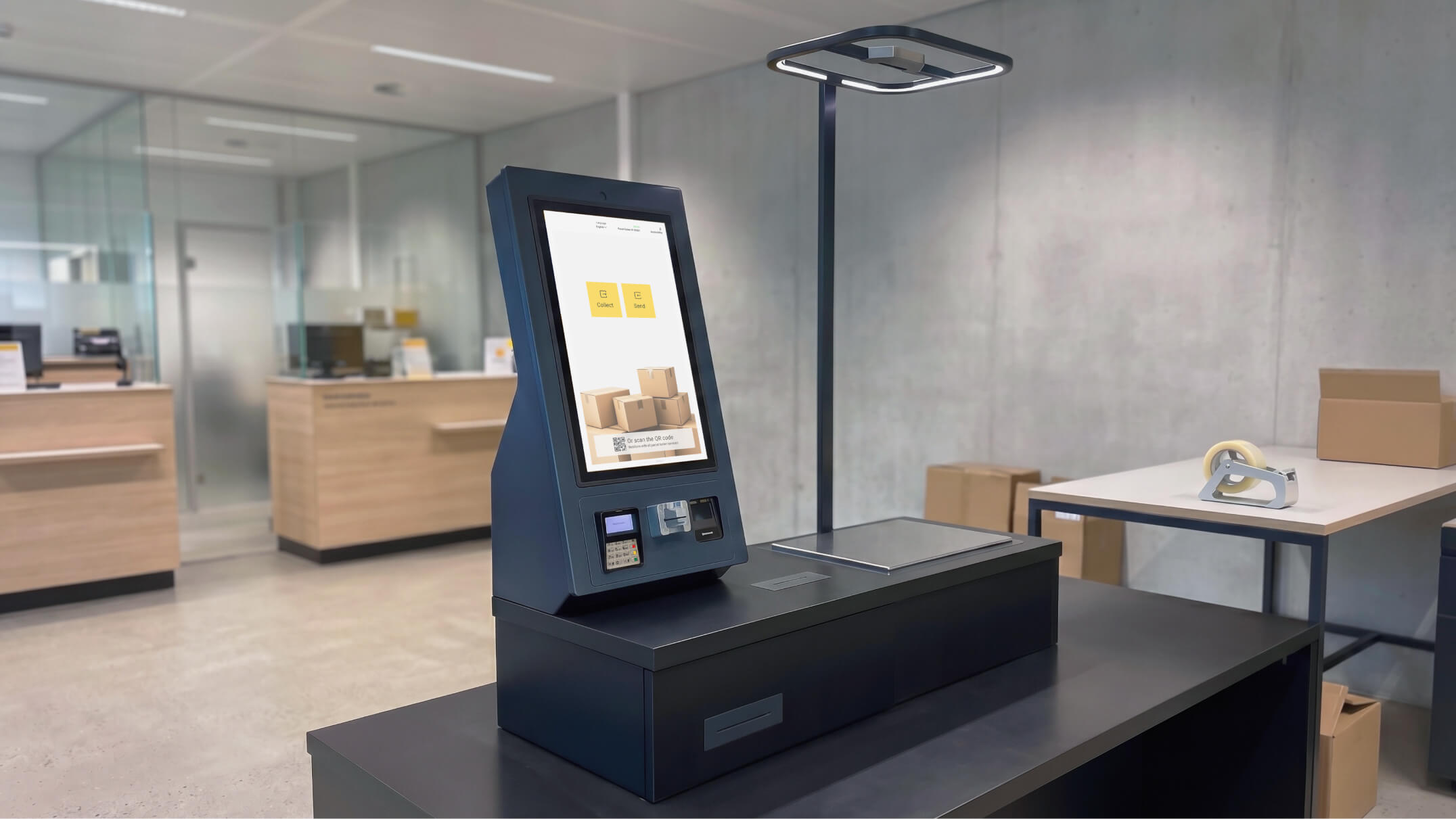
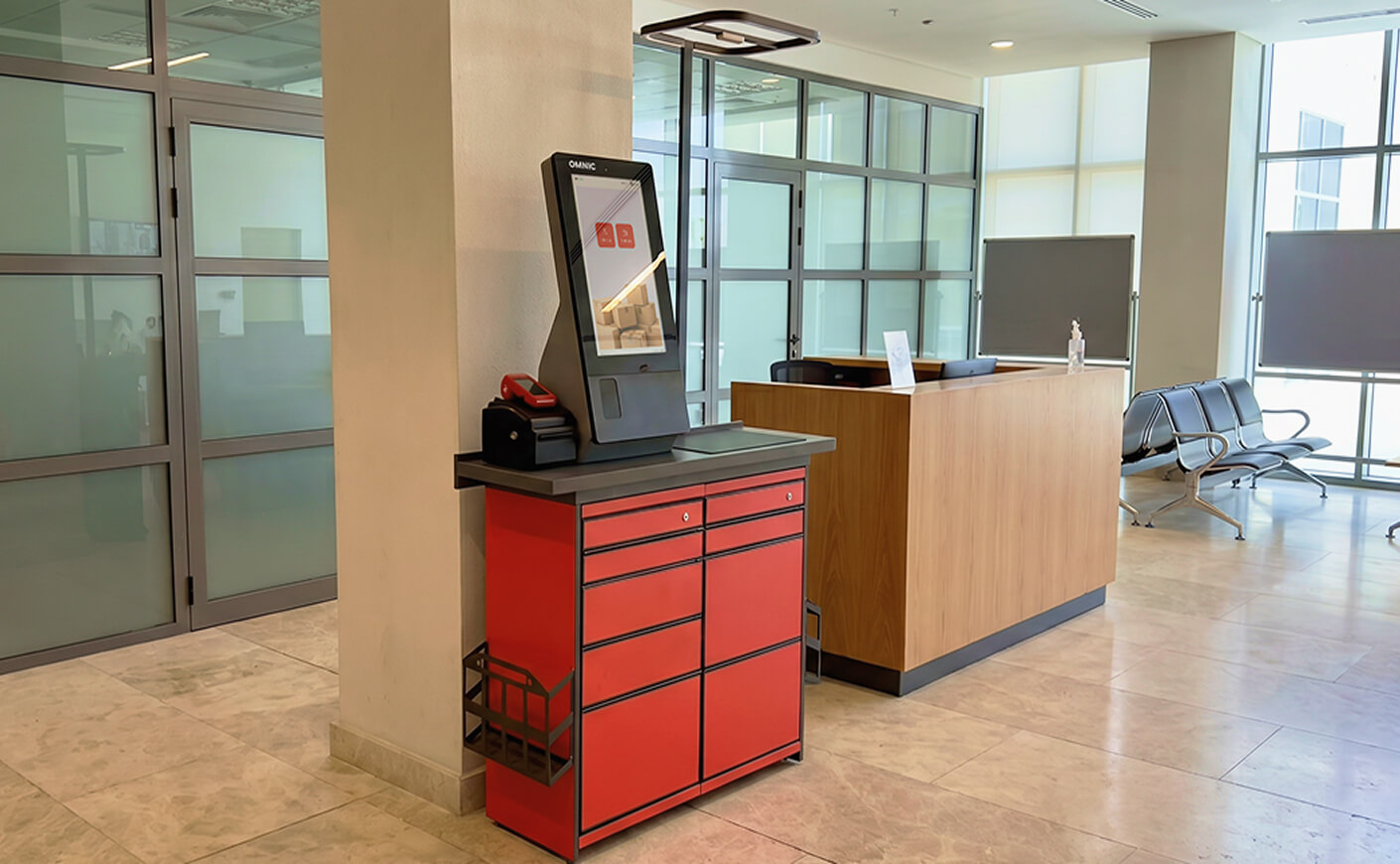
We prototyped a self-service drop-off table — touchscreen interface, integrated scale, payment terminal, label printer and receipt printer — and built it around the way people already used the post office.
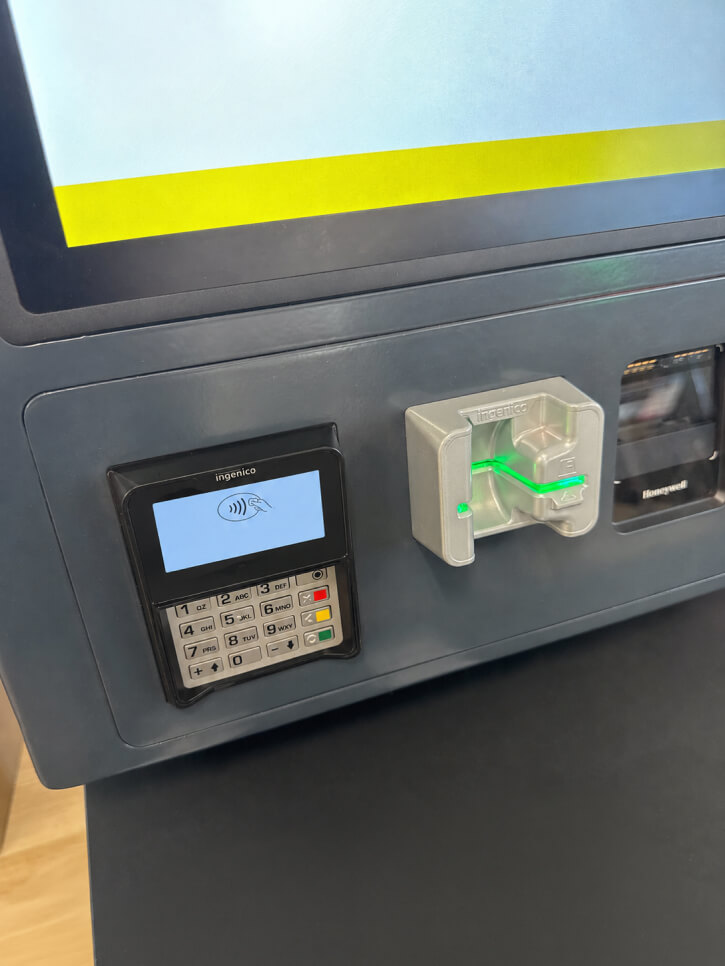
Reading the hand-filled form was not a feature we had on the shelf — it was developed for this operator, on top of the standard drop-off flow. Customers who arrived with a completed form didn't have to start over. The system read the existing form, pre-filled the digital fields, and let the customer confirm and complete the transaction. The guided flow handled both addressed and non-addressed parcels. A remote assistance concept gave customers the reassurance that staff could step in if needed, even though most users completed transactions independently.
Then we tested it. With real users across different age groups and digital skill levels. Iteration was driven by direct feedback — UI clarity, payment terminal positioning, label printer placement, onboarding language, accessibility for users with mobility or vision challenges.

What the deployment proved
When the alternative was waiting at the counter, users strongly preferred self-service — including users who initially expressed skepticism. Age was not the barrier we expected; design clarity was. Older customers completed tasks successfully when the flow was guided and forgiving.
Modernization in a traditional market works when it respects the rituals customers already trust.
The pilot produced a concrete list of refinements for broader rollout — interface, payment, printer placement, onboarding, accessibility — and validated that self-service drop-off could scale across the operator's network without alienating its core customer base. Following the pilot, the model is set to roll out across the operator's branch network.
How the self-service flow works
The self-service drop-off table prototype, combining a touchscreen GUI, integrated scale, payment terminal, and label and receipt printers. A guided franking flow with digital address entry and form-scanning support handles both addressed and non-addressed parcels, with a remote-assistance concept as a fallback — all validated through user testing across different age groups and digital skill levels.

About OMNIC
OMNIC is an Italian technology company headquartered in Milan, building intelligent infrastructure for real-world operations since 2012.
countries with active operations
patents across Europe and the US
self-service solutions on one platform
design, manufacturing, deployment and service
Other case studies


%20(1).jpg)


From fragmented operations to one intelligent system.
Julia Lockman
%20(1).jpg)
MEET OMNIC AT PARCEL+POST EXPO

LEAVING WITH
QUESTIONS?
Bring them to stand C32 — the people who design, build and run these networks answer in person.



.svg)