
.svg)
.svg)
.svg)


Electric Blue Case · 2022
A custom-engineered locker deployed across four countries — installed, launched and serviced by our own teams
150–200 m²
4 countries
Owned network
.jpg)
From digital platform to owned infrastructure
Digital-first service platforms eventually hit the same wall: the experience they sell online depends on physical partners they don't fully control. Quality varies. Pricing varies. Availability varies. The brand the customer sees in the app is not the brand they meet in the storage room.
Moving from marketplace model to owned, branded infrastructure changes the business — but it requires hardware engineered for usage patterns that have very little to do with parcel delivery.
The challenge
The client operated a global luggage storage platform connecting travelers with local partner facilities. As the platform grew, the limitations became sharper: inconsistent storage conditions, varied access procedures across cities, no direct app integration with the facilities, dependency on local operators, and margins squeezed by revenue sharing.
The strategic move: own and operate the physical layer. A branded smart locker network deployed across cities in Japan, France, Portugal and Spain, connected to the existing app, with the same experience in each of them.
But luggage lockers are fundamentally different from parcel lockers. Bags weigh 23+ kg. Handling is rough. Usage is high-frequency. Travelers are international, often tired, sometimes stressed. The locker has to be intuitive in any language, durable under abuse, and trustworthy enough that someone leaves their suitcase behind and walks away.
How we approached it
We engineered the locker from the ground up for luggage — not adapted a parcel locker. Different mechanics, different compartment sizes, different reinforcement, different user flows.
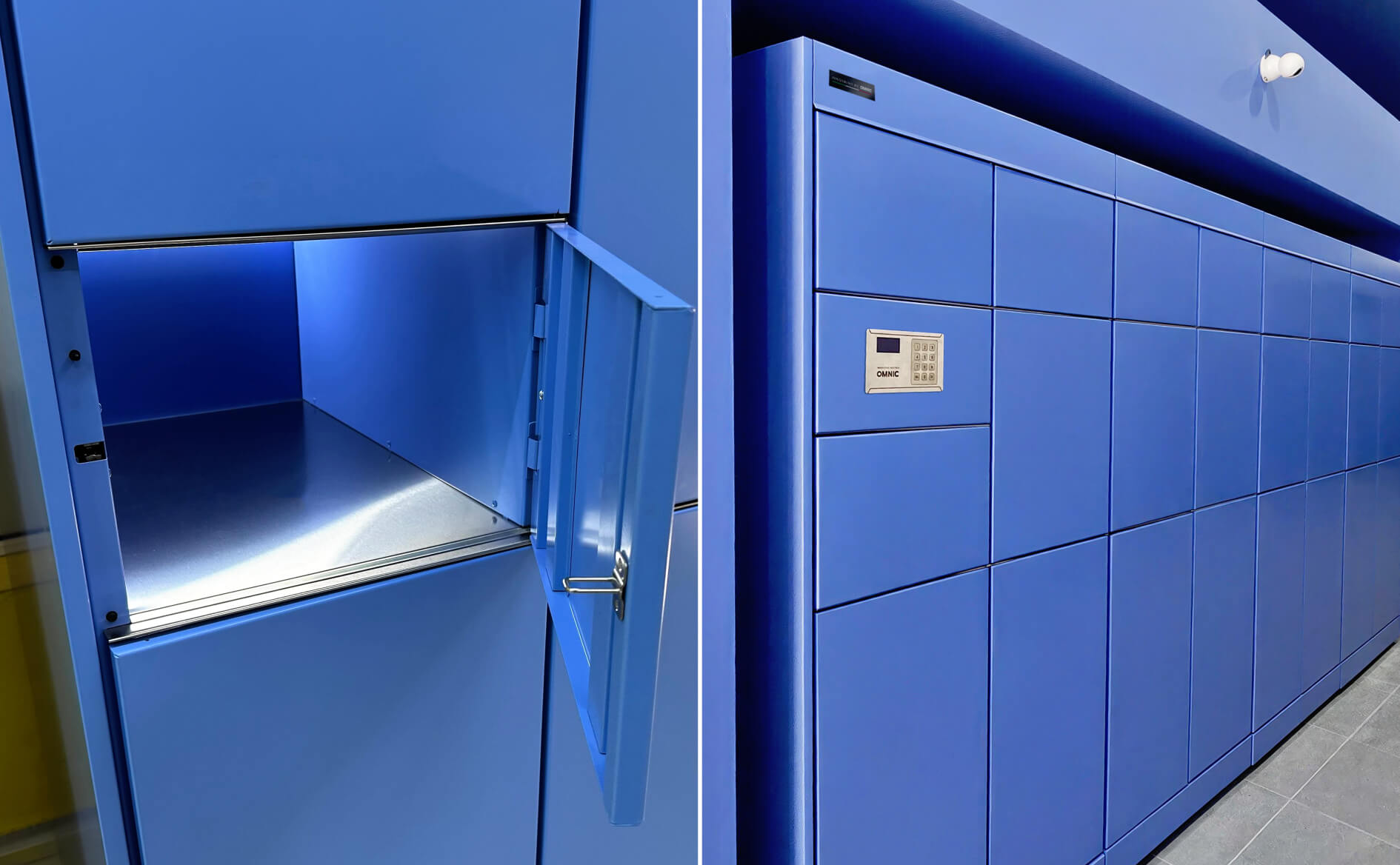
Compartments were designed to handle suitcases, hand luggage, and backpacks side by side. Construction was reinforced for heavy bags and rough usage. Multiple access flows — PIN code, QR code, app-based reservation — gave travelers options depending on their situation and connectivity. A vandal-resistant PIN pad and emergency release mechanisms covered edge cases. Custom branding made each locker a physical extension of the platform.
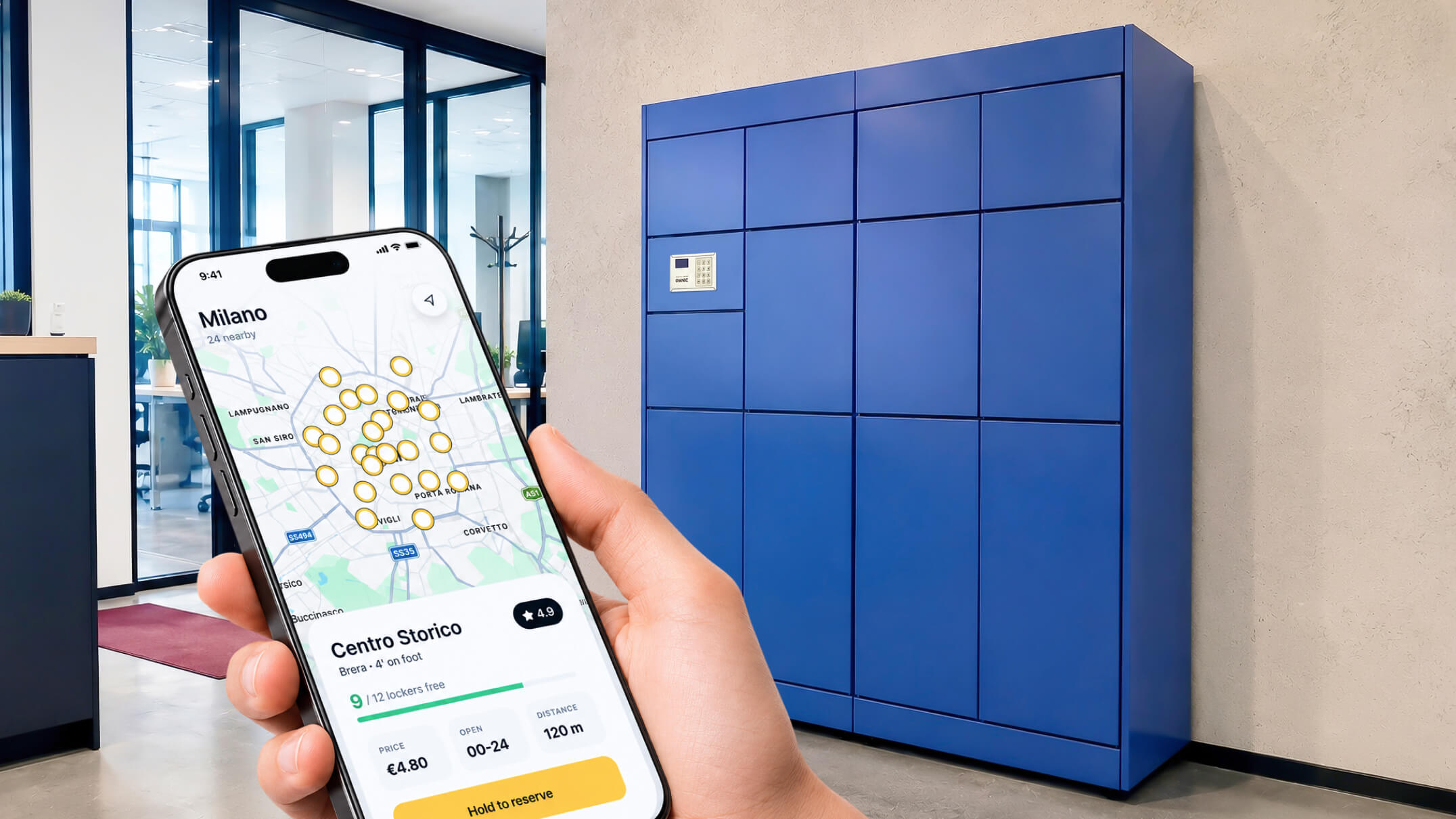
Behind the scenes, monitoring dashboards and real-time usage tracking gave the operator visibility across the network. App integration meant the offline experience was an extension of the online one, not a separate product. Installation, launch and ongoing support ran through OMNIC's own service teams in each market — the platform took over the physical layer without building a field operation to go with it.
.jpg)
What the deployment proved
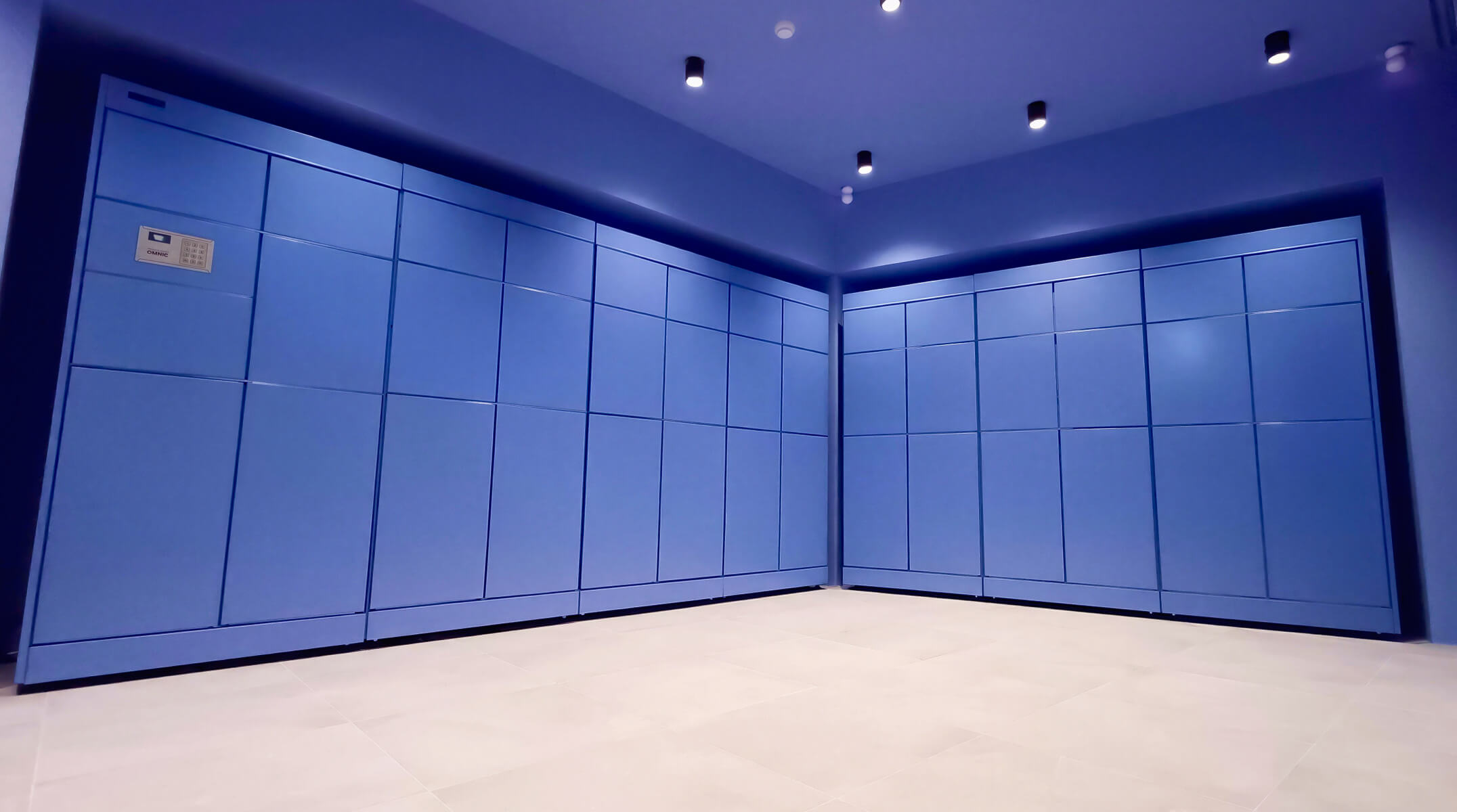
The transition from marketplace to owned infrastructure isn't a one-off project. It's a model. The same infrastructure-as-a-service approach can support branded luggage storage and self-service pickup across tourist-heavy cities, transport hubs, and urban hotspots — all connected to the app, scalable across markets, and controlled by the platform. A site here is not a row of lockers on a wall: it is a room of 150–200 m², built out end to end for luggage.
The brand a customer sees in the app should match the brand they touch on the street. That's what owned infrastructure makes possible.
From Tokyo to Lisbon, the model is the same. The locker design adapts. The user experience stays consistent. The platform owns the relationship.
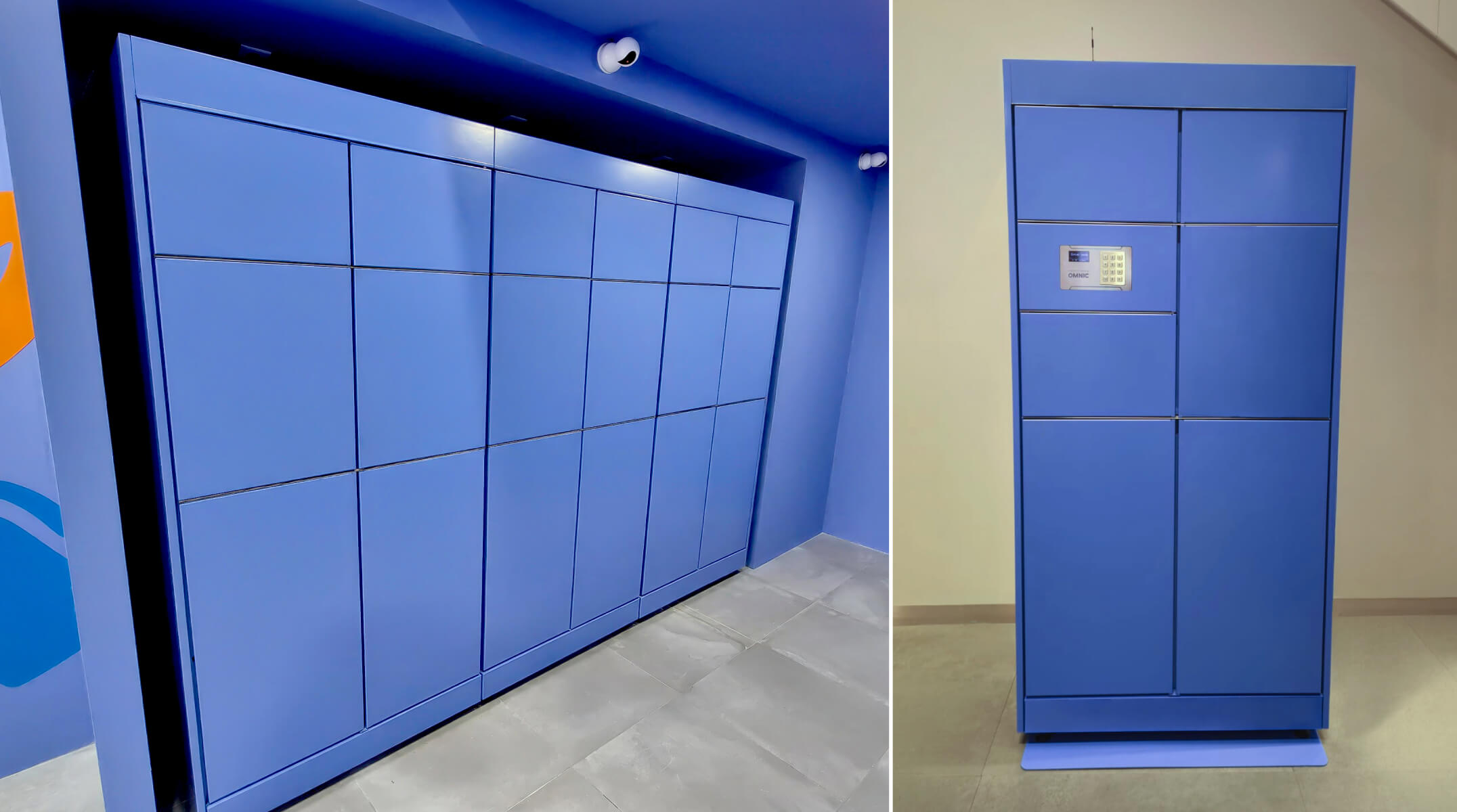


Built for the load
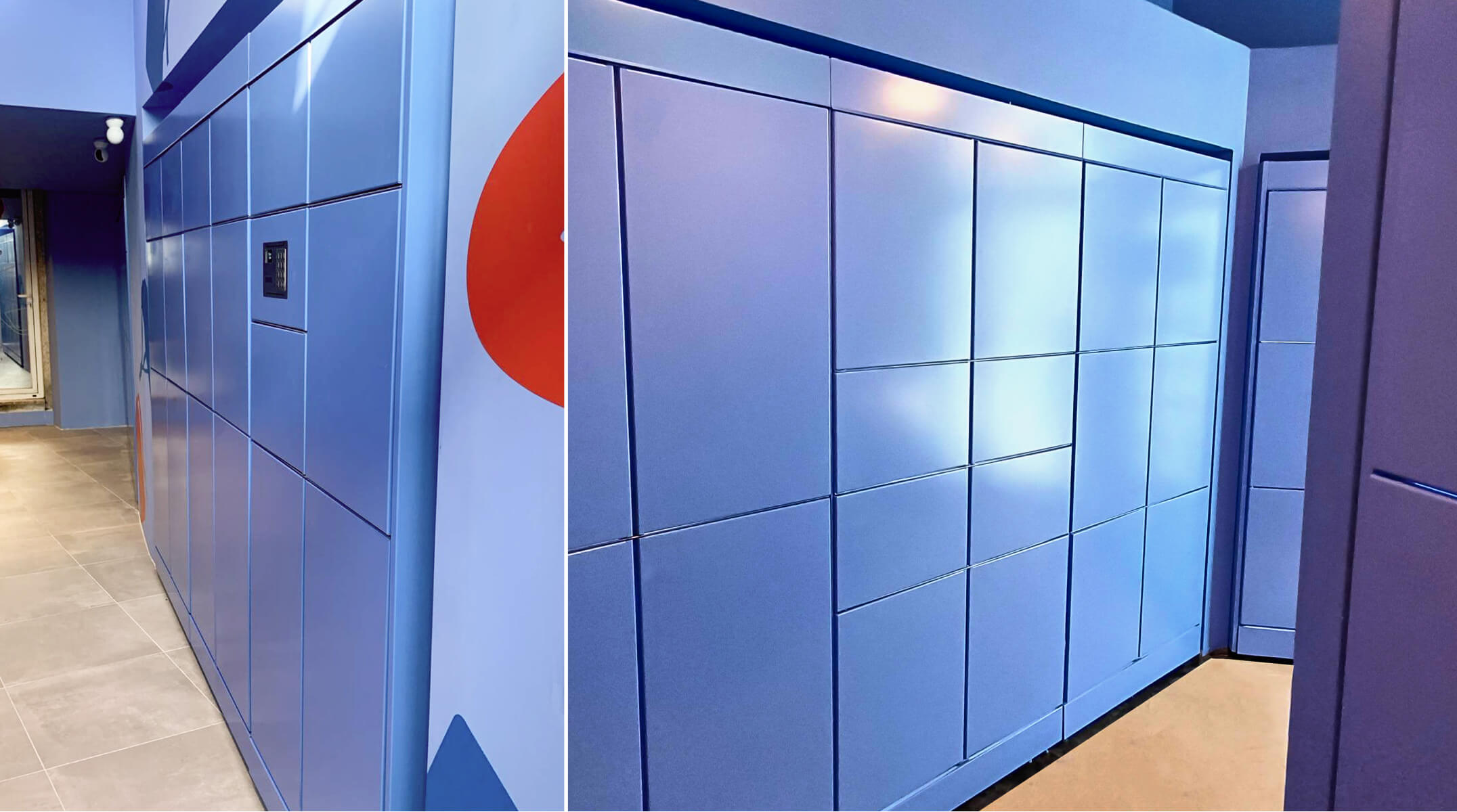
A custom luggage locker design, prototyped in different sizes and depths, with reinforced construction for heavy bags and rough daily use and a large compartment layout for suitcases, hand luggage, and backpacks. Emergency release mechanisms, a vandal-resistant PIN pad, and an integrated QR-code scanner cover real-world access, while app integration, custom branding, and live monitoring dashboards keep usage and issues fully tracked.

About OMNIC
OMNIC is an Italian technology company headquartered in Milan, building intelligent infrastructure for real-world operations since 2012.
countries with active operations
patents across Europe and the US
self-service solutions on one platform
design, manufacturing, deployment and service
Other case studies

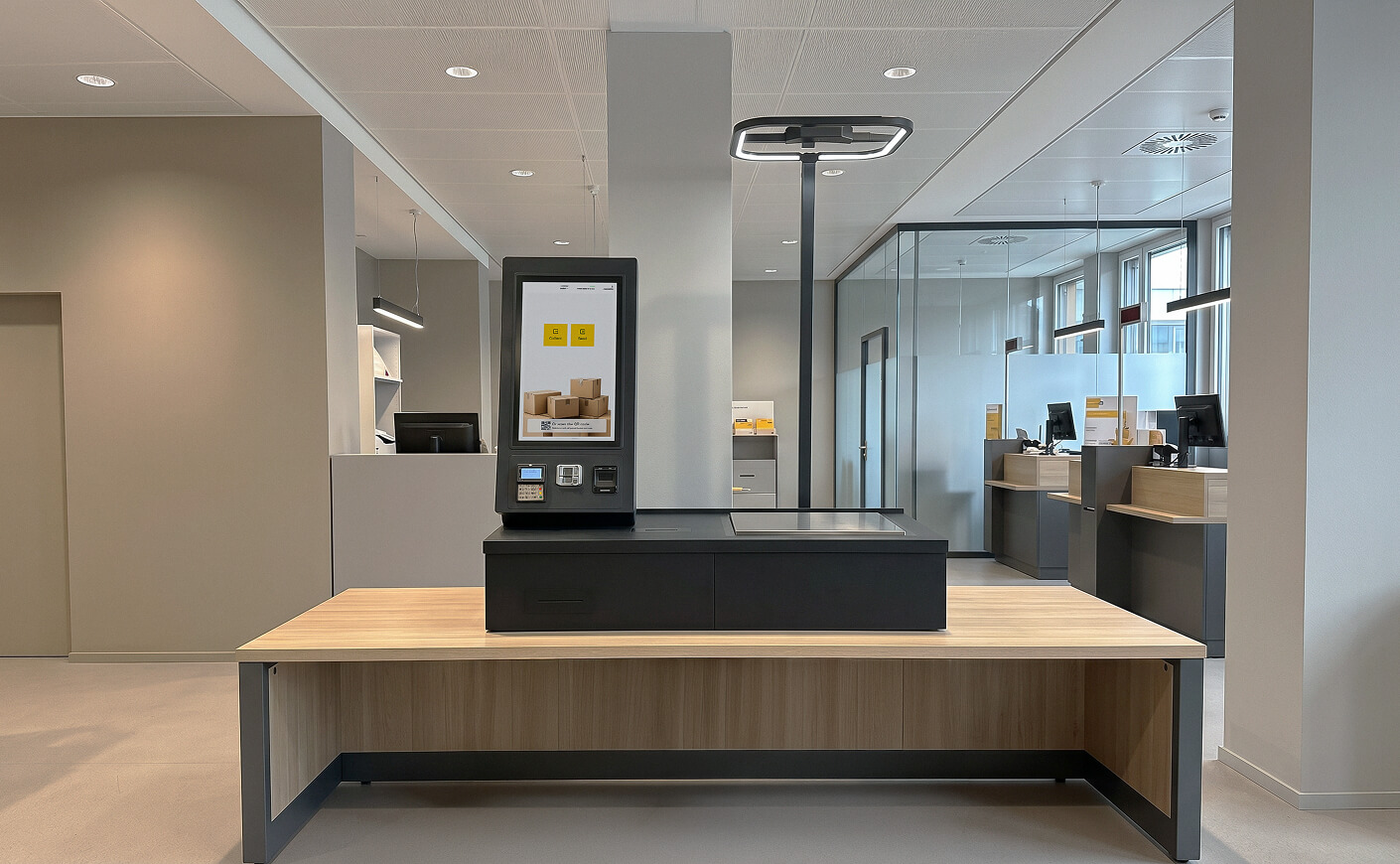
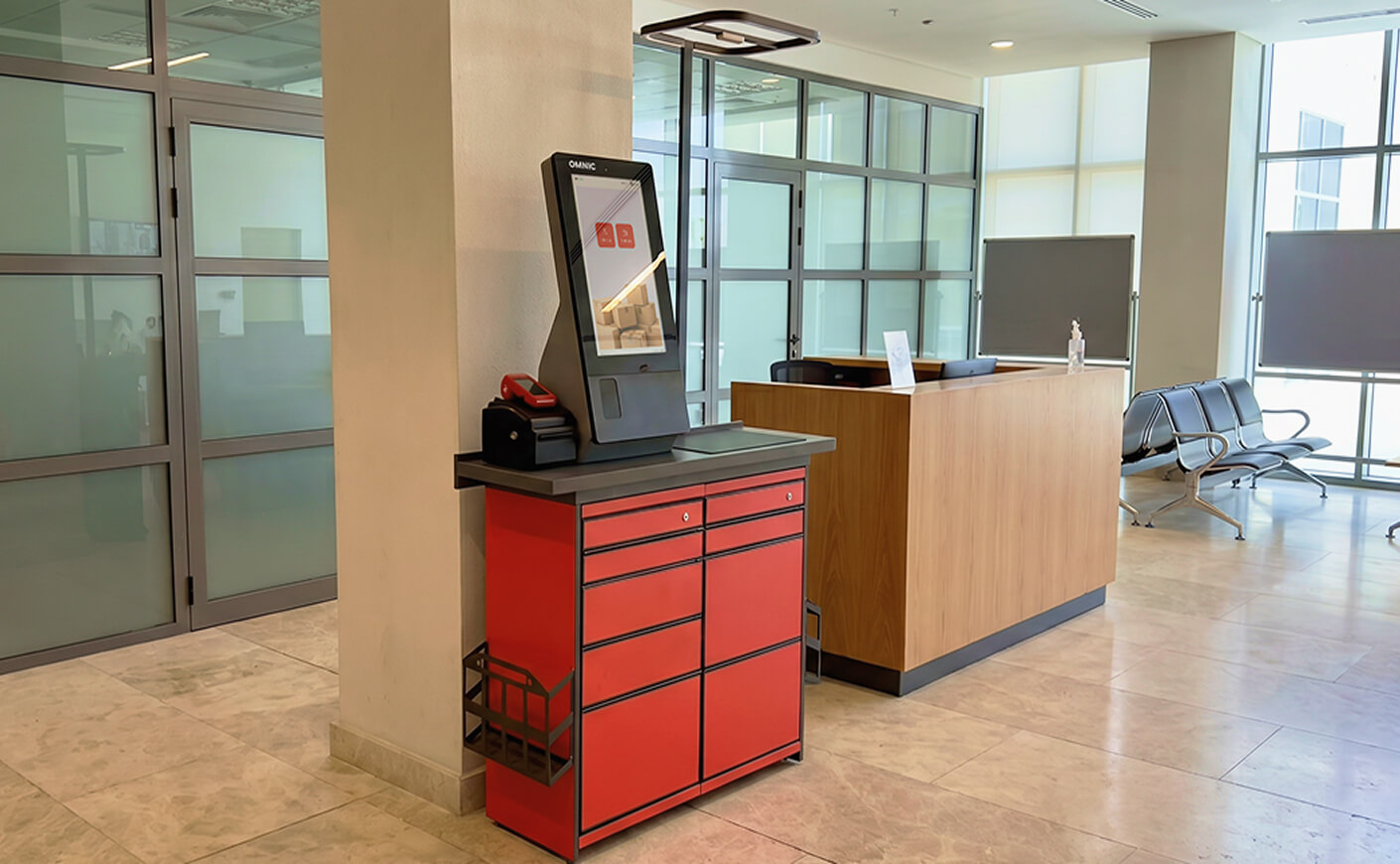
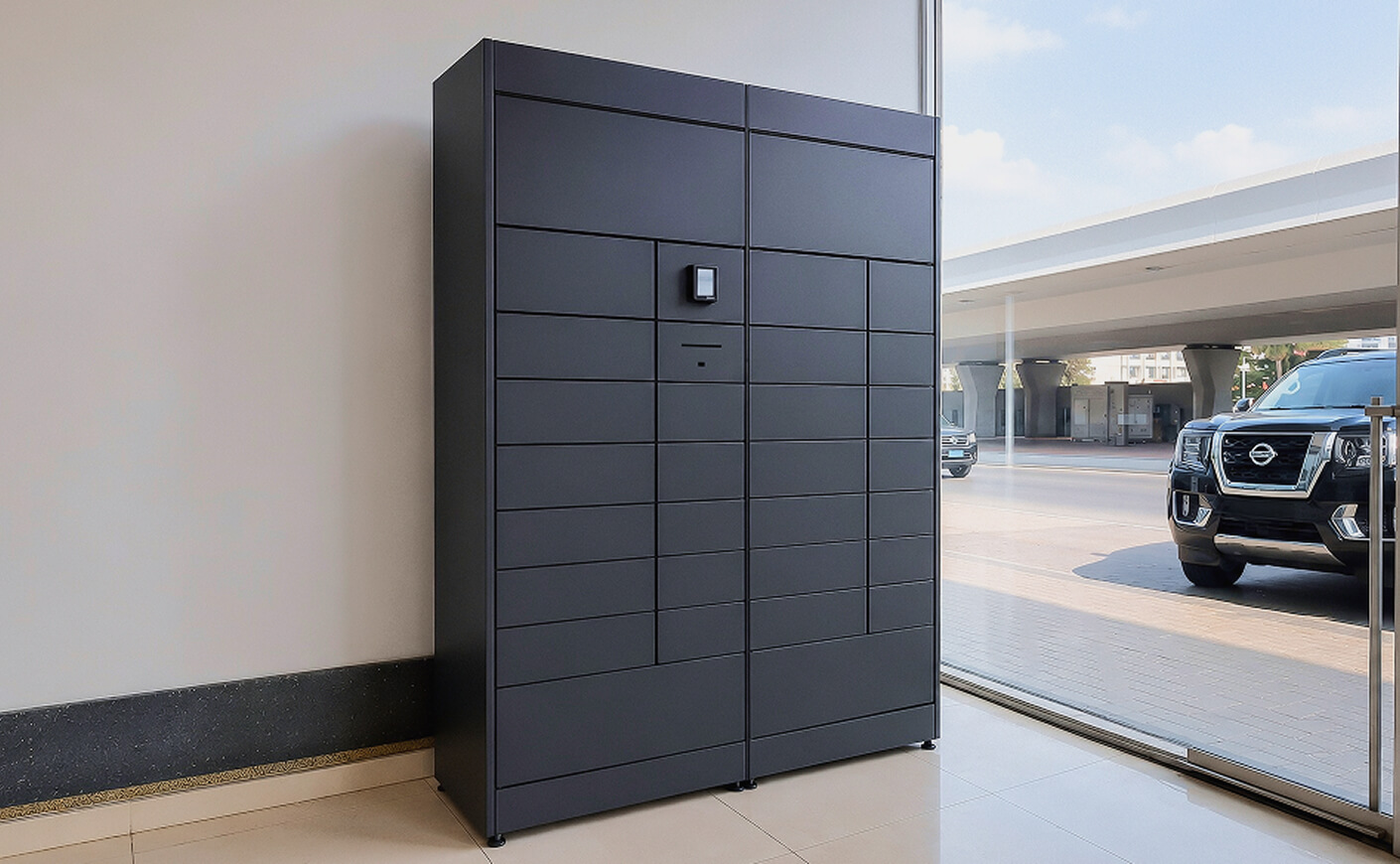
%20(1).jpg)
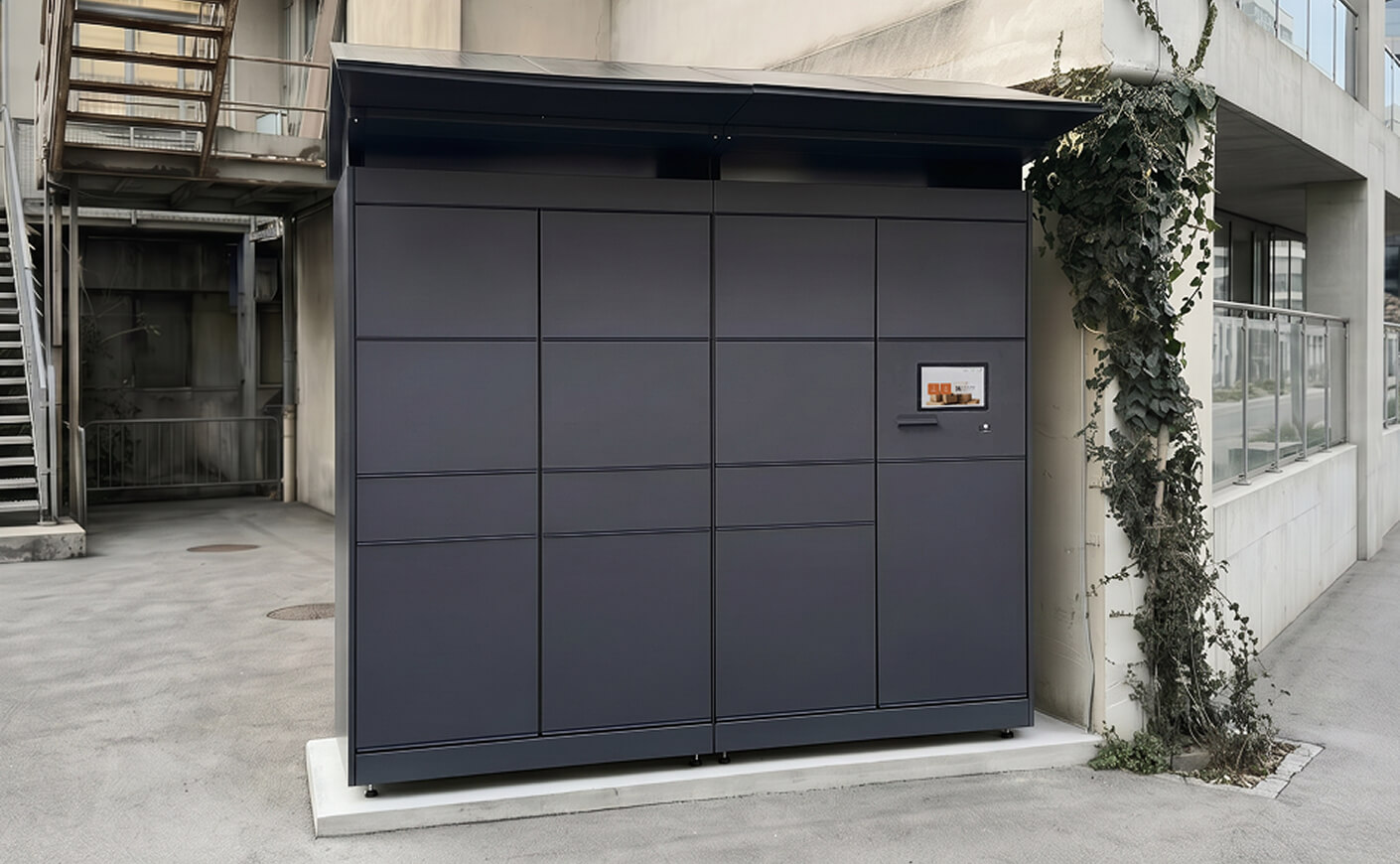
From fragmented operations to one intelligent system.
Julia Lockman
%20(1).jpg)
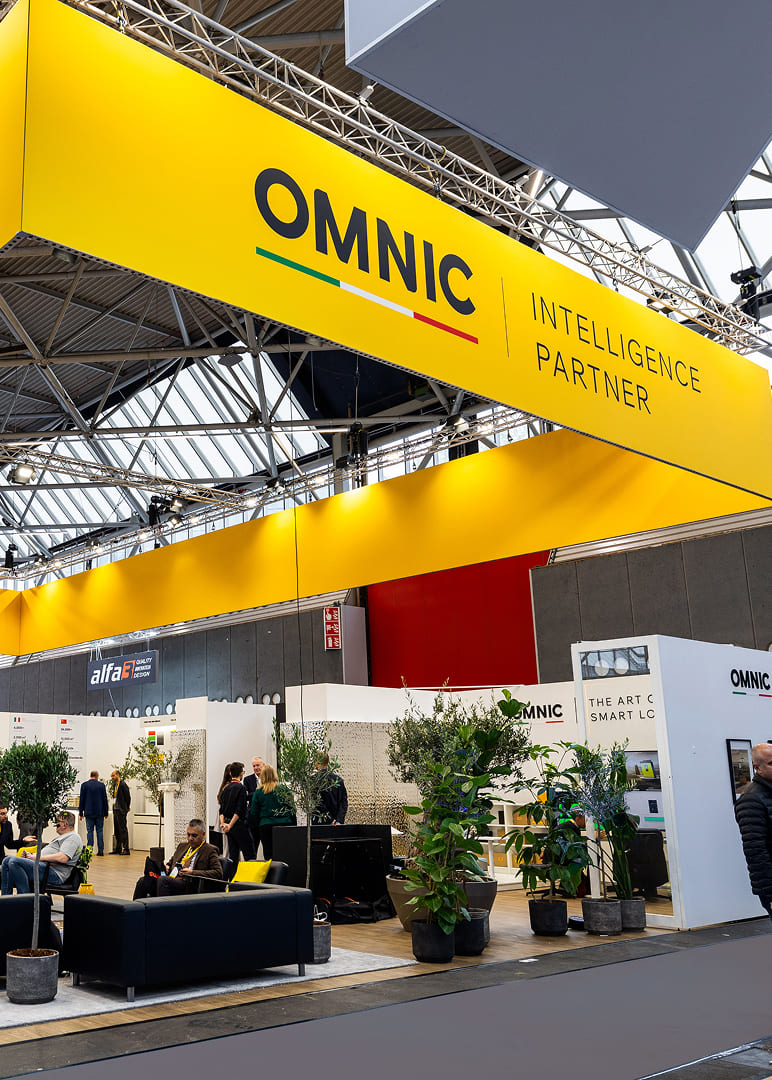
MEET OMNIC AT PARCEL+POST EXPO
LEAVING WITH
QUESTIONS?
Bring them to stand C32 — the people who design, build and run these networks answer in person.



.svg)