Learn more


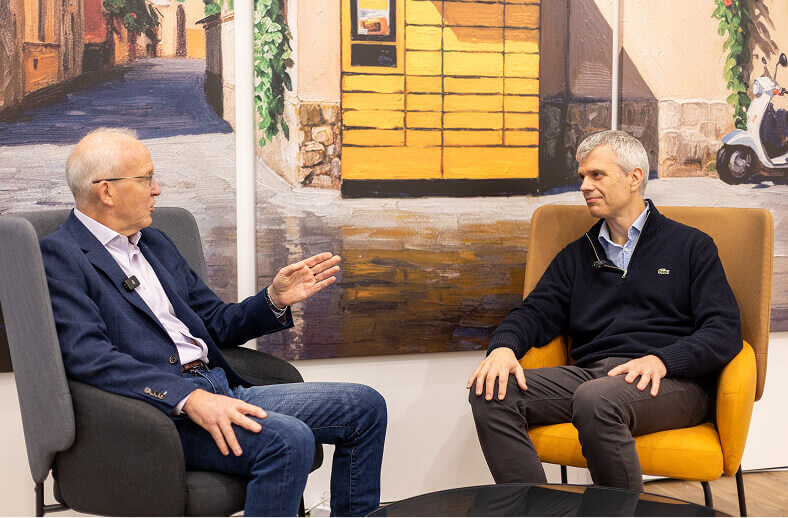


A question from OMNIC’s Forbes Italia feature reaches far beyond the warehouse: how should businesses organise work when people and machines share it?
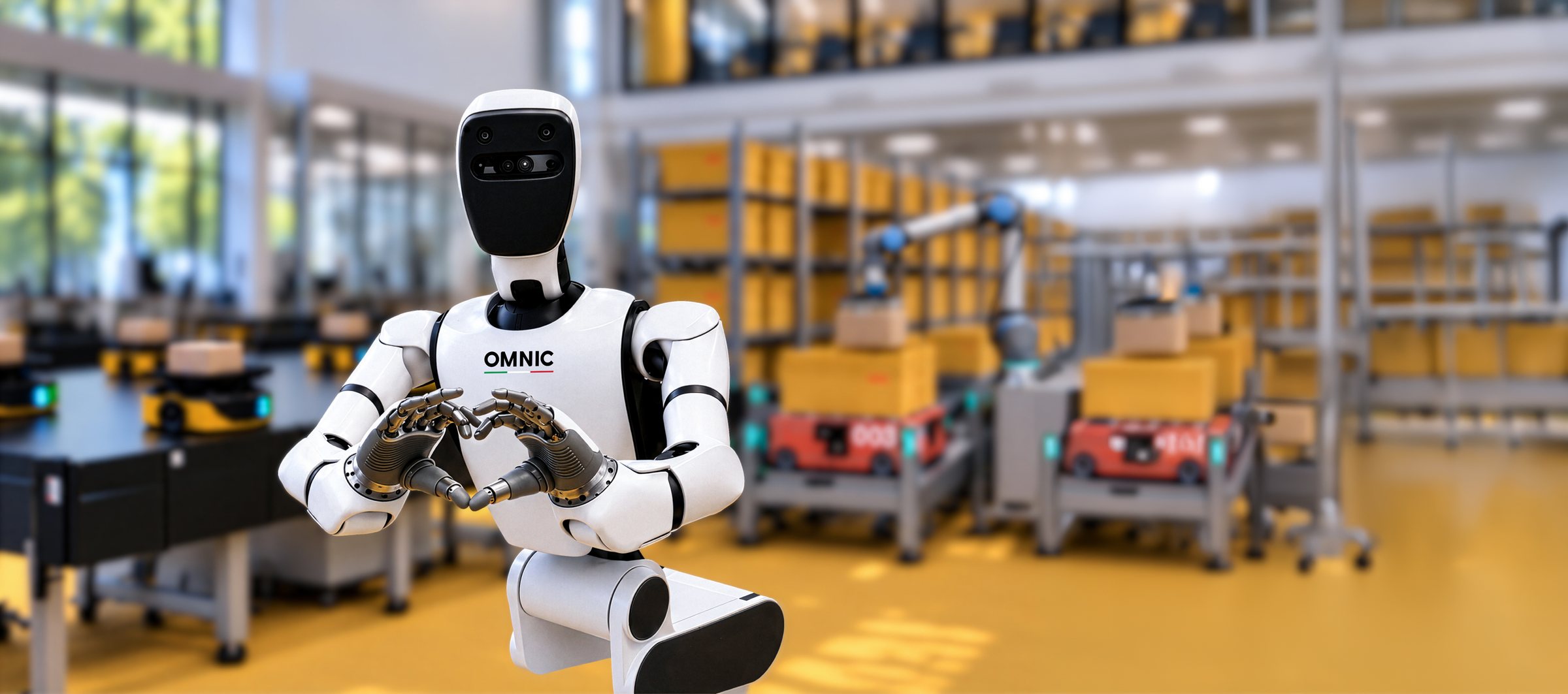
The feature opens at 7:18 in the morning, in a warehouse outside Bergamo. Marco finds his colleagues gathered around their new co-worker: a robot with mechanical arms, cameras and wheels. Some laugh. Others film it lifting a box. One worker worries about someone getting hurt.
Watching the robot do a familiar job, another employee voices a deeper concern. In effect, the question is:
If the robot is doing our work, where does that leave us?
Their new colleague goes back for the next box.
When the warehouse director joins them, someone asks whether the robot is replacing people. He explains that the employees who help make the technology productive should share in its benefits. He calls a meeting with staff and their representatives to discuss training, productivity and a new annual bonus scheme. For a hotel, a shop or a service business, that is the wider challenge: how can automation help the business grow while reducing routine work and creating better opportunities for the people who make it run?
Our mission has guided us from the start: we create self-service solutions that help people save time for the things that matter. It has shaped our path from parcel lockers to connected infrastructure and robotics. Log OS already coordinates our infrastructure, and we are extending it across robotics and automation with the same purpose.
Our work in self-service began in 2012. The parcel locker became our first testing ground: a machine had to work reliably, and someone arriving in a hurry had to know what to do.
Today, our deployments span more than 30 countries. We design and manufacture our equipment and develop its electronics, firmware and software. Co-investing in networks brought the consequences of those decisions into our own operating economics. Maintenance time affected availability. An unfamiliar interface affected whether people used the service at all.
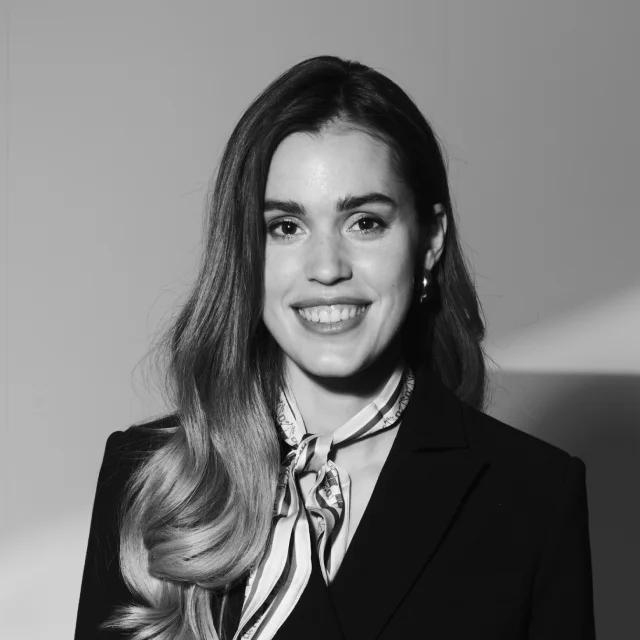
Julia Lockman, Co-CEO of OMNIC, describes that path in Forbes Italia:
“We chose the slow path: first hardware, then production, then software, then robots. But now that machines are starting to live among people, we don’t have to imagine anything. We have already seen it.”

As the network grows, the task is to coordinate entire business processes. Log OS connects people, machines and the software a company already uses, keeping their tasks aligned within one operation. We are extending that same operating logic across robotics and automation.

Robots are only part of the story. The real power is in making them work together.
A customer places an order and expects it to arrive. Behind that simple expectation, software, equipment and people must pass work to one another in the right sequence. Log OS chooses the most efficient available path based on business priorities and current capacity. It turns orders and events into tasks, assigns them to the appropriate equipment or person, and manages exceptions across the process. However many machines take part, the operator sees one operation.
When a machine is unavailable or a step cannot be completed, the process needs another route or a human decision. Log OS coordinates those responses within the operation’s rules.
In London, we demonstrated a complete logistics process for a single customer order. Warehouse preparation, sorting, robotic handling, a humanoid and a delivery robot formed one coordinated workflow, taking the parcel through to the person who placed the order. Every task and handover across that chain was powered by Log OS.
This is how we approach the question from Marco’s warehouse: let machines take on more of the repetitive work, so people can devote their time to decisions, service and other work that needs human judgment.
The same platform supports different combinations of work across industries. These are three examples of how its coordination works:

Log OS is hardware-agnostic. Through integrations, it connects equipment from different manufacturers with the software a company already uses, so customers can build on their existing infrastructure. This software layer is central to OMNIC’s strategy: it connects the capabilities of individual machines to the work the business needs to complete.
Physical AI brings intelligence into machines that perceive their surroundings and act in the real world. As those machines take on more tasks in shared spaces, they need common interfaces and operating rules to work with other robots, conventional automation and employees.
The choices made now will shape how this emerging category fits into everyday operations: whether equipment can work across manufacturers, how exceptions are handled and when people remain in control. OMNIC is helping build those foundations by extending Log OS from infrastructure we already develop, manufacture and operate.
Our measure of progress is the operation: how much work gets completed, where delays occur and how often people must step in. A machine earns its place through the improvement it makes to that process.
People’s time and energy should go into work that needs their judgment and imagination, and into the relationships that make life worth living. Our vision is to give routine work to machines and create more space for invention, creativity and human contact. Our Italian product culture puts that quality of everyday life at the centre of engineering and design.
The same care belongs in the organisation of work. Employees need training, clear roles and the authority to intervene when their judgment is needed. Businesses must decide how gains in productivity support growth and the people who make it possible. The design of the working day deserves as much attention as the design of the machine.
We call this ambition La Nuova Dolce Vita: businesses with the resources to grow, and people with more energy to pursue ideas, practise their craft and spend time with one another.

A hotel where staff have more time for guests. A shop where the collection fits the customer’s schedule. A neighbourhood where everyday services leave people more time for family, friends and ideas. These are the experiences we want connected infrastructure to make possible.
The robot in Marco’s warehouse goes back for the next box. We should already be planning how to use the time we gain: to build better businesses, bring new ideas to life and make more room for one another. That is where La Nuova Dolce Vita begins.

Head of Research at Kyburz

Founder & CEO at Mily Technologies
The Information Factory
Co-Founder and COO at Shiptimize

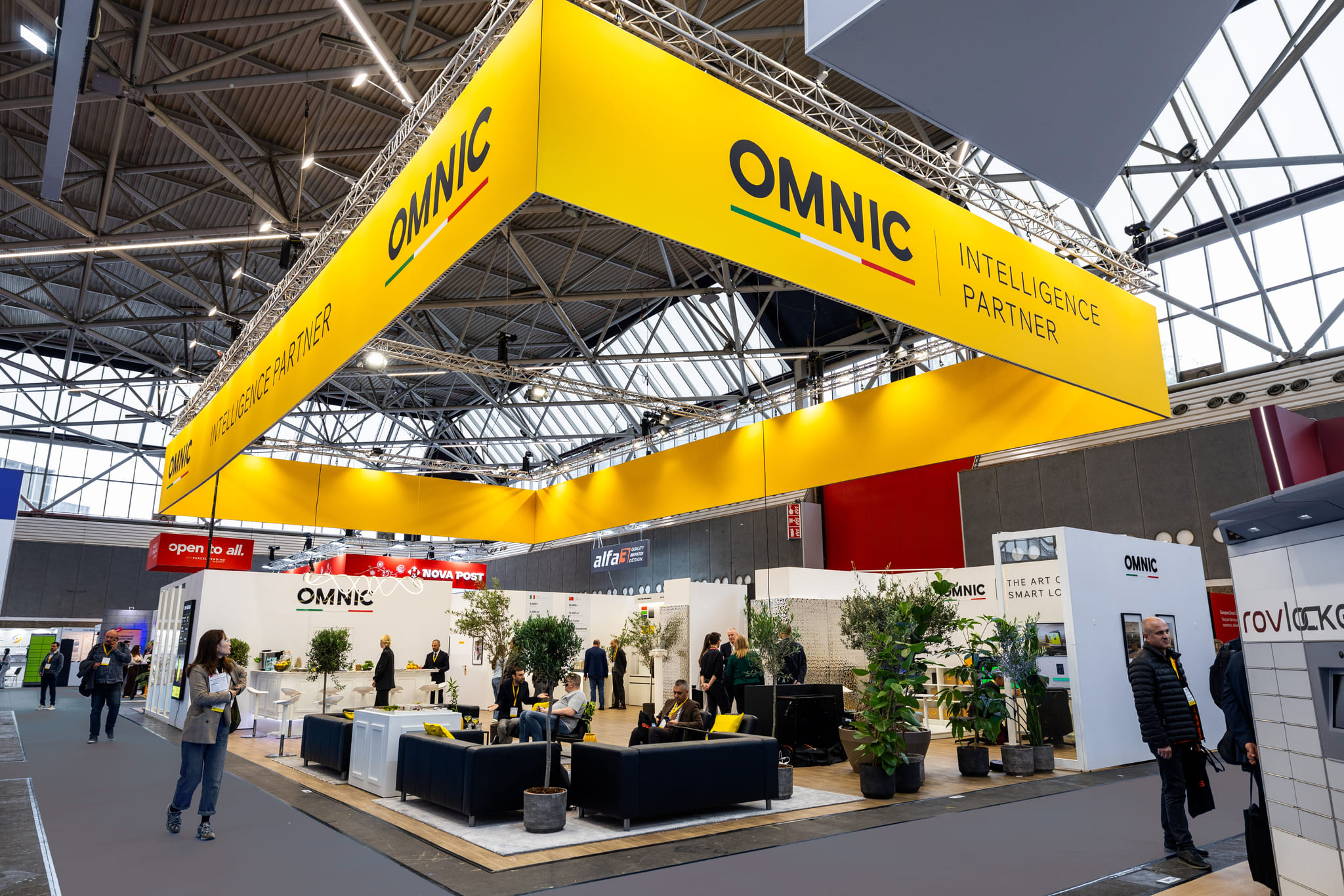
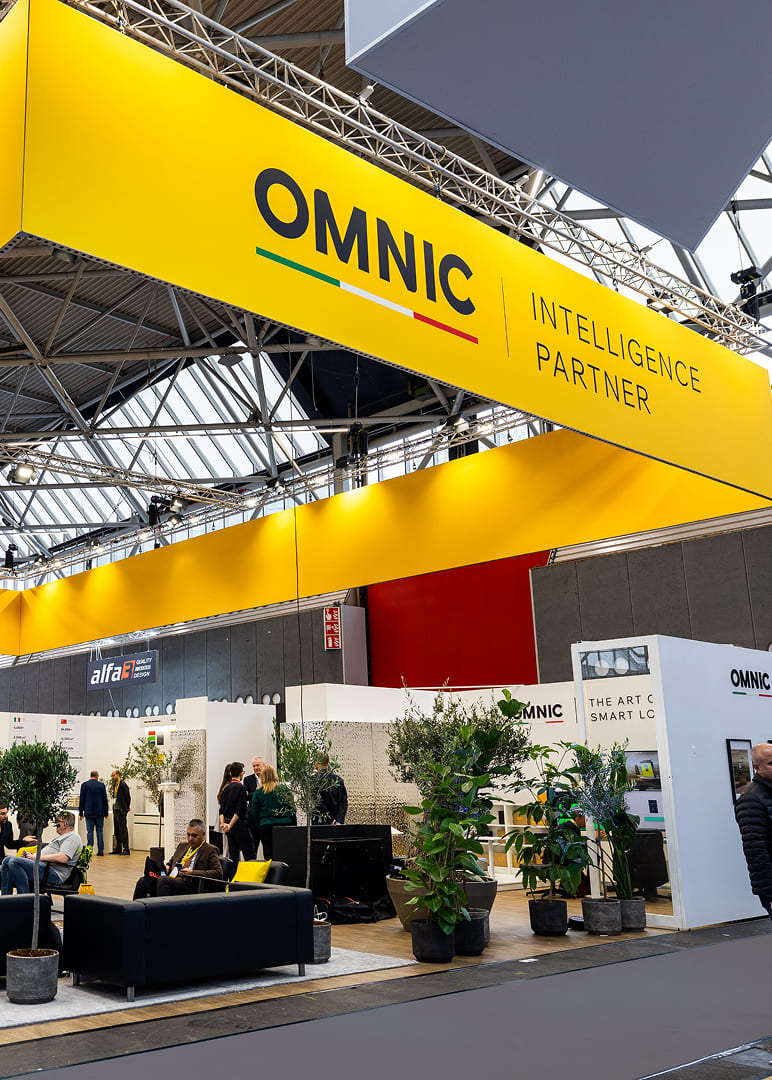
Bring them to stand C32 — the people who design, build and run these networks answer in person.

If you have any queries or require further details, simply fill out the contact form and our specialist will get back to you.